Hans Ickman
The Magician's ElephantHans Ickman is Bettine LaVaughn’s lifelong manservant and trusted confidant, whose forgotten childhood memory becomes newly meaningful at a moment of crisis. The recollection of a small white dog leaping across a river connects his private past to the story’s renewed belief that the impossible may happen.
Identity and Service
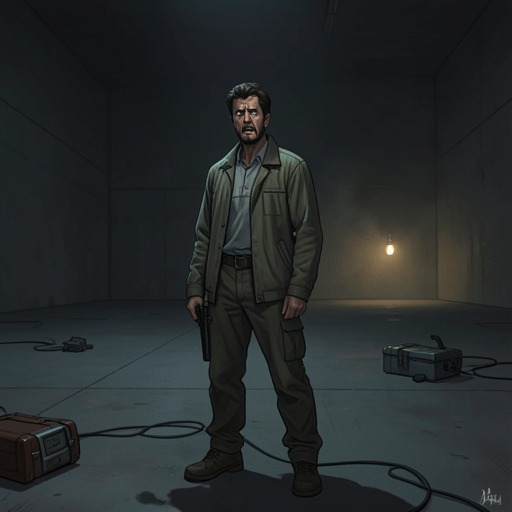
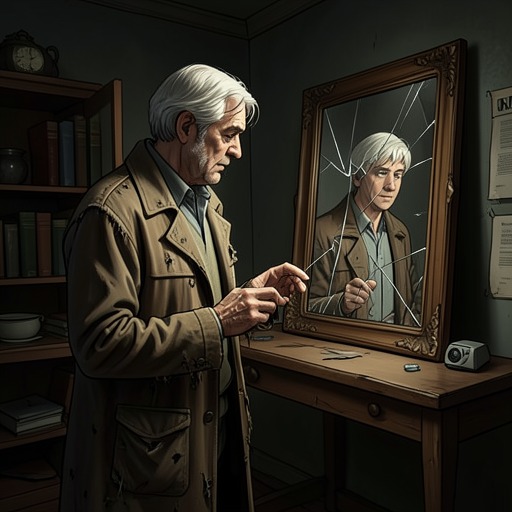
Hans had been in Bettine LaVaughn’s service since she was a child. He was not merely her manservant: he advised her, served as her confidant, and was trusted by her in all things. His position places him close to her daily life and, during the magician’s imprisonment, beside the repeated afternoon exchange between Bettine LaVaughn and the magician.
That exchange returns to the same words day after day. As Hans listens in the prison, the narrative turns from the present repetition to a scene from his own childhood. His role as attentive witness thus opens onto a memory that he had allowed to recede from his mind.
The River and the White Dog
Before entering Bettine LaVaughn’s service, Hans lived in a small mountain town with his parents, brothers, and a small white dog. The dog was famous for leaping across the river in the woods beyond the town. The water was too wide for Hans and his brothers to cross in a jump, and too wide even for a grown man, but the dog ran and sailed over it with ease. Apart from that feat, she was unremarkable.
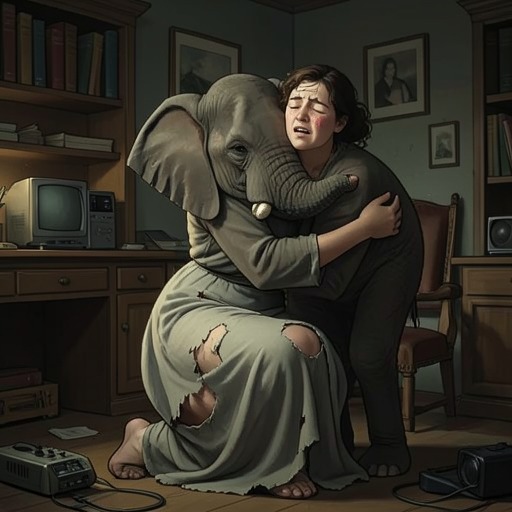
As Hans grew older, he forgot the dog and her extraordinary leap. The arrival of Elephants through the opera-house ceiling brought the memory back for the first time in years. In recalling the dog, Hans remembers not only the leap but her small, unnecessary twist in mid-air: a gesture of joy that made the impossible look easy. The detail gives his memory its particular force; the leap was not simply a feat but something the dog seemed to take delight in.
Peter’s Appeal and the Name Rose
Later, Hans sees Peter Augustus Duchene standing behind a policeman, holding a soldier’s hat and insisting that his request matters. Looking into the boy’s eyes, Hans sees himself as a child again on the riverbank, watching the white dog suspended in mid-air. The old scene returns with such clarity that Hans suddenly recalls the dog’s name: Rose.
Remembering her name feels to him like fitting a missing puzzle piece into place. It brings a certainty that the impossible is about to happen again. Peter’s presence has not erased the years in which Hans forgot the dog; instead, his appeal makes the buried memory available at the moment it can reshape Hans’s understanding of what may be possible.
Action and Narrative Significance
Hans’s renewed conviction accompanies a change from listening to action. He pushes Bettine LaVaughn’s wheelchair through the snowy streets while Leo Matienne holds Peter’s hand; the four move quickly toward the Countess’s home. Hans is therefore part of the group traveling to confront the situation there, no longer only a witness to the repeated conversations in the prison.
Rose’s leap supplies Hans with a remembered precedent for wonder, and the name itself marks the memory’s return from vague recollection to personal knowledge. His response links the story’s improbable events to an experience he once witnessed directly: the impossible had already seemed effortless to a small dog on a riverbank. In Hans, that childhood image becomes a present-tense confidence that makes collective action feel possible.